Choosing the right broadband connection can feel like a daunting task, especially when weighing up the differences between old-fashioned copper lines and the increasingly popular full-fibre alternatives. Whether you're setting up a new home internet connection or considering an upgrade for your business, understanding how fibre broadband compares to traditional ADSL services is essential for making an informed decision that suits your needs and budget.
What to know
- Full-fibre (FTTP) technology delivers a faster and more reliable internet connection by using light signals, unlike traditional ADSL which relies on aging copper lines prone to signal degradation.
- The installation of fibre optic internet typically requires an engineer visit to run cabling directly to the property and install a specific optical network terminal.
- Modern fibre packages offer a wide range of speeds from 100 Mbps up to 1 Gbps, allowing users to choose tiers that match their specific household or business requirements.
- Fibre connections significantly reduce latency and provide stable performance, making them superior to ADSL for high-definition streaming, video calls, and online gaming.
- Many fibre broadband packages include bundled services such as extensive television channel selections and unlimited calls, offering a more comprehensive home entertainment and communication solution.
- The transition to full-fibre is driven by the upcoming 2027 copper network switch-off, prompting a nationwide shift toward digital-only infrastructure.
- While fibre broadband offers superior performance and future-proof technology, it typically carries higher initial installation costs compared to traditional broadband services.
Understanding Fibre Optic Technology and the Freebox Revolution Installation Process
Setting up a modern fibre connection has become remarkably straightforward, though it still requires a bit of preparation on your part. The process typically begins with checking whether your address falls within a serviceable area, something providers like Airband make simple through their free broadband coverage checker. This handy tool lets you input your postcode and instantly discover what's available, whether that's in Cheshire, Devon, Gloucestershire, or further afield in Wales and Warwickshire.
Step-by-step guide to setting up your fibre connection
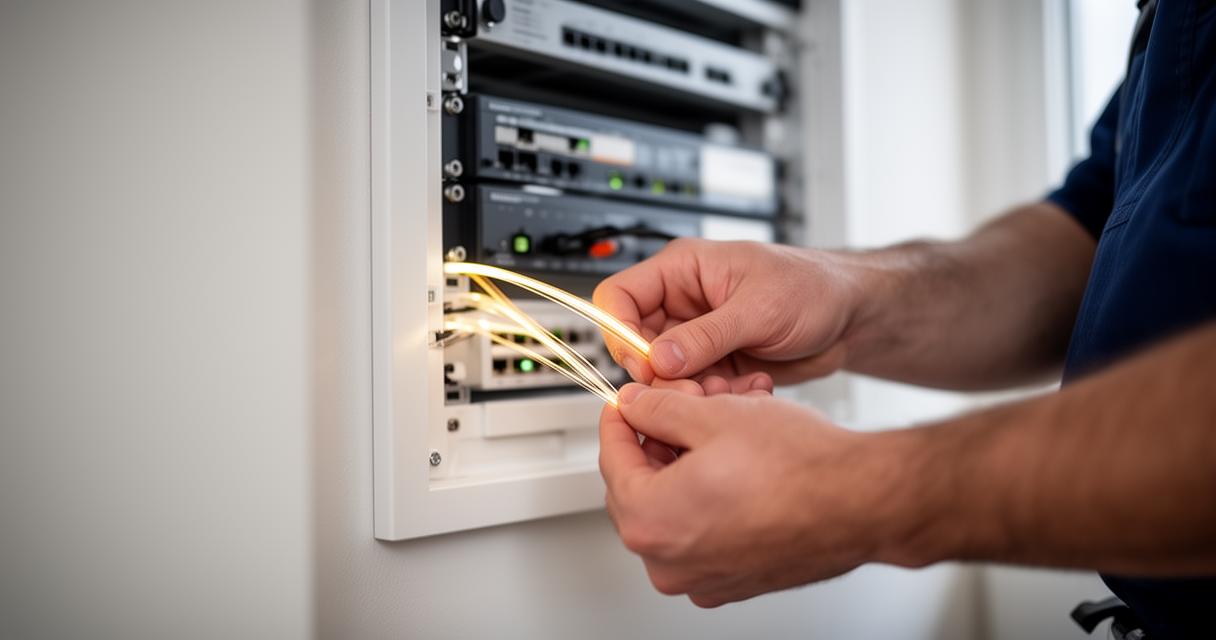
Once you've confirmed availability, an engineer visit is usually scheduled to install the necessary cabling directly to your property. This is where Fibre-to-the-Premises, commonly abbreviated as FTTP, comes into play, delivering a genuine full-fibre connection right to your doorstep rather than relying on ageing copper wires for the final stretch. The installation team will run the fibre optic cable from the nearest distribution point into your home, fitting a small terminal box that acts as the entry point for your connection. From there, the internal wiring links up to your router, and within a short space of time, you'll be online with a connection that's built to last for years to come.
Essential equipment required for your freebox revolution
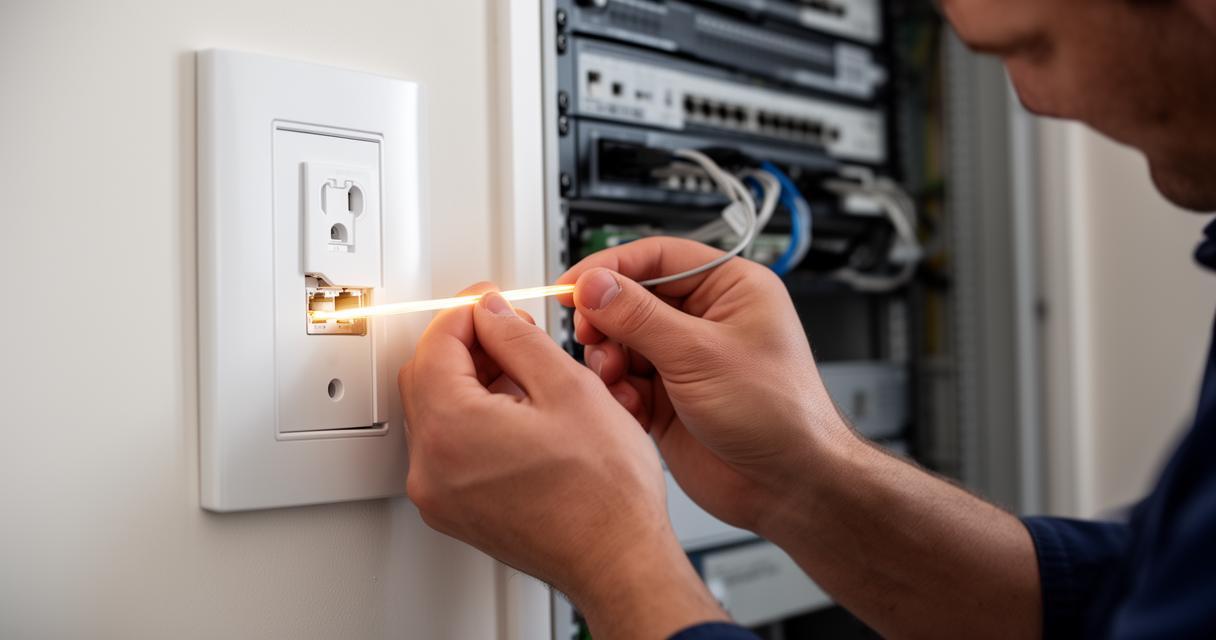
The equipment needed for a fibre setup is generally minimal compared to what you might expect. A dedicated fibre router forms the heart of the system, often supplied by your provider as part of the package. You'll also need the optical network terminal that converts the light signals travelling through the fibre cable into data your devices can understand. Providers operating across Herefordshire, Oxfordshire, Shropshire, and Somerset tend to include this equipment within their standard broadband packages, meaning there's rarely any need to source additional hardware separately.
Speed and performance: why fibre optic outpaces traditional adsl
When it comes to raw performance, there's simply no contest between fibre and traditional broadband. Copper-based ADSL connections have long struggled with distance limitations and signal degradation, whereas fibre optic cables transmit data using light, allowing for consistently faster and more reliable speeds regardless of how far you live from the local exchange.
Bandwidth capabilities and download rates comparison
Modern fibre packages offer a genuinely impressive range of speeds, typically stretching from 100 Mbps right up to 1 Gbps depending on the tier you choose. Airband, for instance, offers several tiers including Fibre 150, Fibre 300, Fibre 600, and Fibre 900, each priced to suit different household needs and budgets. Those wanting a solid connection for everyday browsing and streaming might find Fibre 150 more than sufficient, whilst larger households with multiple devices connected simultaneously often benefit from stepping up to Fibre 600 or Fibre 900 for smoother, uninterrupted performance.
Real-World Performance Benefits for Streaming and Gaming
Beyond the numbers, the practical difference fibre makes in daily life is substantial. Streaming high-definition content becomes effortless, video calls no longer freeze at inopportune moments, and online gaming benefits enormously from the reduced latency that fibre connections provide. Traditional broadband, by contrast, often buckles under the pressure of multiple users streaming or gaming at once, leading to frustrating buffering and dropped connections. Fibre is also considerably less susceptible to environmental interference, meaning weather conditions and electrical interference have far less impact on your connection's stability compared to old copper lines.
Comprehensive service features: unlimited calls and entertainment packages
Beyond raw internet speed, many fibre broadband packages come bundled with additional perks that make the switch even more worthwhile. These bundles often combine residential broadband with entertainment and communication services, creating a more complete package for the whole household.
Exploring the Range of Television Channels Available
Many providers now pair their fibre packages with access to an extensive selection of television channels, covering everything from news and documentaries to sport and entertainment. This integration means households can enjoy high-quality streaming without worrying about buffering interrupting their favourite programmes, something that was often a challenge with slower, traditional connections reliant on ageing landline technology.
Telephone services and communication benefits included
Unlimited calls remain a popular feature bundled within many fibre packages, offering peace of mind for those who still rely on landline communication alongside their broadband. This is particularly relevant given that the copper switch-off is scheduled for 2027, which will see older landline technology phased out entirely in favour of digital alternatives delivered over fibre networks. With roughly seventy-five per cent of UK premises expected to have access to FTTP by January 2025, the shift towards full-fibre infrastructure is well underway across the country, including areas like Devon and Worcestershire where wholesale packages are also available for businesses and resellers looking to capitalise on growing demand.
It's worth noting that fibre broadband is generally pricier to install initially due to the infrastructure costs involved in laying new cabling, but once established, the monthly rates often prove more competitive than comparable ADSL packages, particularly when you factor in the superior reliability and performance on offer. For anyone weighing up their options, whether for business broadband or a straightforward residential upgrade, taking the time to compare packages and check local availability remains the smartest first step towards a faster, more dependable connection.