Anyone who relies on Wanadoo Mail login as their daily gateway to messages, invoices, and family updates knows how frustrating it can be when the webmail portal misbehaves or when the inbox becomes cluttered beyond recognition. This guide walks through the practicalities of checking emails on Wanadoo.fr, sorting out common login hiccups, and making the most of aliases so your correspondence stays neatly organised rather than a jumbled mess of newsletters and important documents mixed together.
In brief
- Users can access Wanadoo webmail through a standard web browser or by configuring email clients on mobile devices using IMAP or POP settings.
- Common authentication issues, such as failed logins, can often be resolved by clearing browser cookies, using an incognito window, or resetting passwords.
- Configuring email settings, including display names and automatic filters, helps users manage and organize incoming correspondence more efficiently.
- Synchronizing the Wanadoo account across multiple devices via an email client ensures that folders and message statuses remain consistent everywhere.
- Creating email aliases allows users to categorize messages into specific groups, such as personal, professional, or temporary accounts, keeping the main inbox tidy.
- Depending on the subscription tier, users can create up to twenty-five unique aliases to help manage various types of digital communication.
Accessing your wanadoo webmail portal: a complete guide to login
Getting into your account should be straightforward, yet plenty of users find themselves stuck at the login screen wondering why their credentials suddenly stopped working. The webmail portal for Wanadoo is accessible through any standard browser, and the process of checking emails begins with entering your registered address and password on the official page. It's worth bookmarking the correct login URL rather than searching for it each time, as this reduces the risk of landing on a phishing page designed to mimic the real thing.
Step-by-Step Instructions for Wanadoo Mail Login via Desktop and Mobile Connection
On a desktop, the process is simple: open your browser, navigate to the Wanadoo homepage, locate the mail icon, and input your details. For those relying on a mobile connection, the mobile version of the site adapts reasonably well, though some users prefer configuring their email client directly on their phone using IMAP or POP settings provided by the internet services team. This approach means notifications arrive instantly rather than requiring you to open a browser tab every time you want to check for new messages. Whichever method you choose, keeping your login details stored securely in a password manager makes the whole experience considerably less stressful.
Troubleshooting common authentication issues and finding specialist support
When login attempts fail repeatedly, the usual suspects are outdated passwords, browser cache issues, or a temporary outage on the provider's end. Clearing cookies and trying an incognito window often resolves the problem instantly. If that doesn't help, reaching out to specialist support becomes necessary, and Wanadoo's customer assistance channels are generally responsive when it comes to account recovery or password resets. It's also sensible to check whether two-factor authentication has been enabled, as this can sometimes cause confusion if a verification code doesn't arrive promptly.
Optimising your email settings and configuring livebox services
Beyond simply logging in, there's a whole layer of customisation available that many users never bother exploring. Adjusting your email settings properly can make a genuine difference to how efficiently you manage daily correspondence, particularly when your Wanadoo account is tied to broader Livebox services covering your home broadband and telephone line.
Customising your webmail portal for enhanced internet services experience
Within the settings menu, you'll find options to change your display name, adjust notification preferences, and set up filters that automatically sort incoming mail. This is particularly useful for anyone juggling personal correspondence alongside subscriptions and promotional material. Taking a few minutes to organise folders and rules pays dividends later, saving you from scrolling through a chaotic inbox searching for that one important attachment. Security remains a priority throughout, with TLS encryption protecting data as it moves between your device and the server, giving a reasonable level of confidence that your information isn't being intercepted along the way.
Synchronising your wanadoo account across multiple devices for seamless checking emails
For those who split their time between a laptop, tablet, and smartphone, synchronisation becomes essential. Setting up your account through a proper email client rather than relying solely on the browser interface ensures that read status, folders, and deleted items stay consistent everywhere. This mirrors what many users of platforms like mailbox.org have discovered when moving away from larger providers such as Gmail for privacy reasons, since a well-configured client setup avoids the tedious re-checking of messages already read elsewhere.
Creating and Managing Email Aliases for Superior Organisation
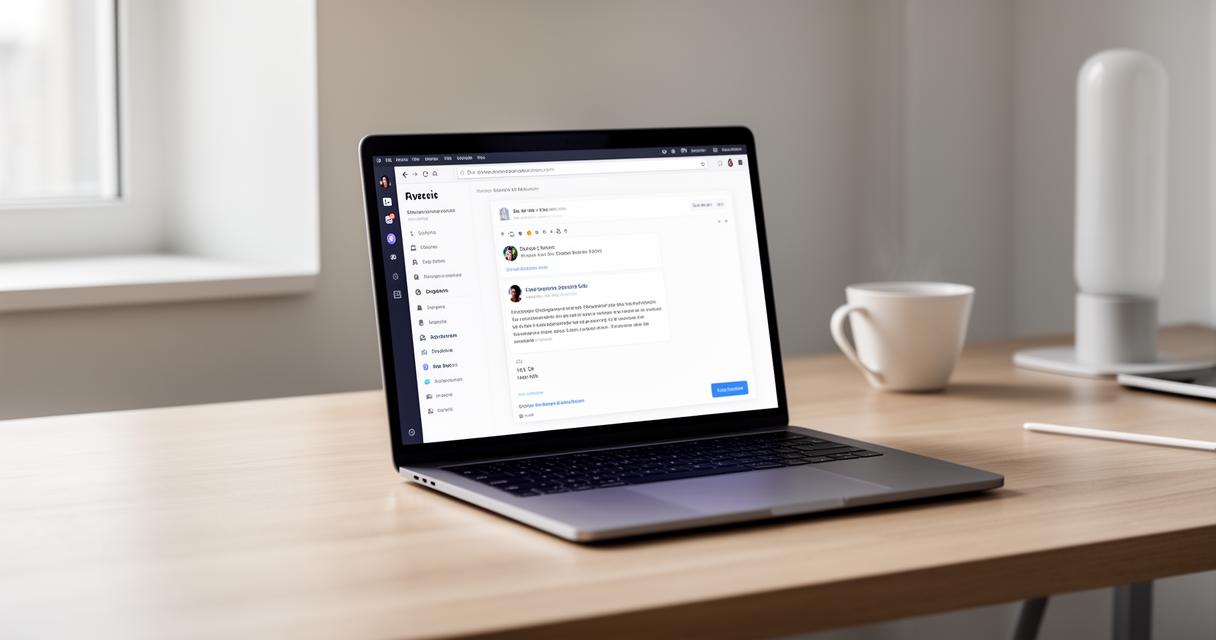
Perhaps the most underused feature of any modern email service is the alias system, and this is where things get genuinely interesting for anyone wanting a tidier inbox. Aliases allow you to receive mail sent to a slightly different address without needing an entirely separate account, which is invaluable for keeping business correspondence apart from personal chatter.
How to Set Up Multiple Aliases for Different Purposes and Better Inbox Management
Depending on your subscription tier, whether that's FreeMail, PlusMail, ProMail, or PowerMail, you may be entitled to create up to twenty-five alias addresses. This means you could have one alias reserved strictly for online shopping, another for financial matters, and a further one dedicated to newsletters you're only mildly interested in. Some users take this further by adopting a catch-all approach, or by using plus sign aliases such as adding a suffix to their main address, a trick borrowed from broader discussions around alias management seen in projects like Mail-in-a-Box. One contributor named Brent found himself needing to define an alias twice, once through the admin site and once in user settings, otherwise sending mail from that alias triggered an SMTP error. Another user, Alento, pointed out that this double configuration is fairly standard practice across many email providers rather than a quirk specific to one platform.
- Personal aliases for trusted contacts and family
- Business aliases for professional correspondence
- Disposable aliases for one-off sign-ups or trials
Practical Solutions for User Problems: Customer Assistance and Professional Tips
When an alias stops working, the first step is checking for a duplicate alias definition, since having the same address registered in two conflicting places is a common cause of failure. Deleted aliases are typically blocked permanently, so it's wiser to deactivate one temporarily rather than remove it outright if there's any chance you'll need it again. External sender addresses tied to other providers can also be configured, which is handy for anyone managing several email identities at once. Community discussions around privacy-focused email services often highlight strategies such as pairing a service like Firefox Relay with unique aliases per platform, forwarding an old Gmail account temporarily during a transition, and relying on a password manager alongside two-factor authentication to keep everything secure. This layered approach, combining sensible alias setup with genuine attention to data protection, ultimately transforms a chaotic inbox into something far more manageable, whilst reducing the steady creep of spam that so many users report after years of reusing the same address everywhere.