When Jim Jannard unveiled the original RED One camera back in 2006, few could have predicted just how thoroughly it would upend the established order of filmmaking. Nearly two decades on, RED's REDCODE compression technology remains at the heart of that revolution, and the company's latest explanations of how the format actually works have given cinematographers plenty to think about. Coupled with news of a fresh batch of LUTs on the horizon, there's a genuine sense that professional colour workflows are about to get a useful upgrade.
Key takeaways
- REDCODE RAW remains a cornerstone of digital cinema by balancing high-resolution capture with manageable file sizes through advanced wavelet-based compression.
- The REDCODE algorithm preserves significant image latitude, allowing cinematographers to retain full RAW data flexibility for post-production grading.
- Legal confirmation of RED's patent status reinforces the unique technological advantage of REDCODE compared to competing professional camera systems.
- RED is set to release twenty-four new LUTs designed to streamline colour workflows and provide consistent visual starting points for diverse cinematic projects.
- These updated look-up tables aim to save time in the grading suite, allowing creators to dedicate more resources to the actual creative process.
- RED's technology has democratized high-end filmmaking, enabling commercial and brand productions to achieve superior image quality with more modest budget constraints.
- The efficiency of the REDCODE codec helps production teams handle high-resolution 4K deliverables without the logistical burdens of excessive data storage.
Understanding redcode: the technology behind professional cinema capture
At its core, REDCODE RAW is a compression codec designed to preserve as much image information as possible whilst keeping file sizes manageable enough for real-world production schedules. RED has been keen to clarify exactly how this balancing act is achieved, and the explanation boils down to clever mathematics rather than any sacrifice in quality. Where many competing systems force a trade-off between resolution and storage, REDCODE has been engineered to sidestep that compromise almost entirely, which is precisely why it has remained the backbone of high-end digital cinema for so long.
How redcode's compression algorithm revolutionises raw workflow efficiency
The genius of the codec lies in its ability to compress footage without stripping away the latitude that colourists and directors of photography rely upon in post-production. This is often described as a true RAW workflow, meaning the sensor data remains largely untouched until a human decides how it should look. Compared to formats such as ARRIRAW, REDCODE tends to offer differing recording times and data rates, with the RED MONSTRO sensor producing files at around 260 megabytes per second at its most demanding settings. That figure sits within a broader conversation about data consumption at maximum resolution, something every production accountant and DIT has had to reckon with when budgeting for storage.
Key Features and Benefits of REDCODE for Contemporary Film Production
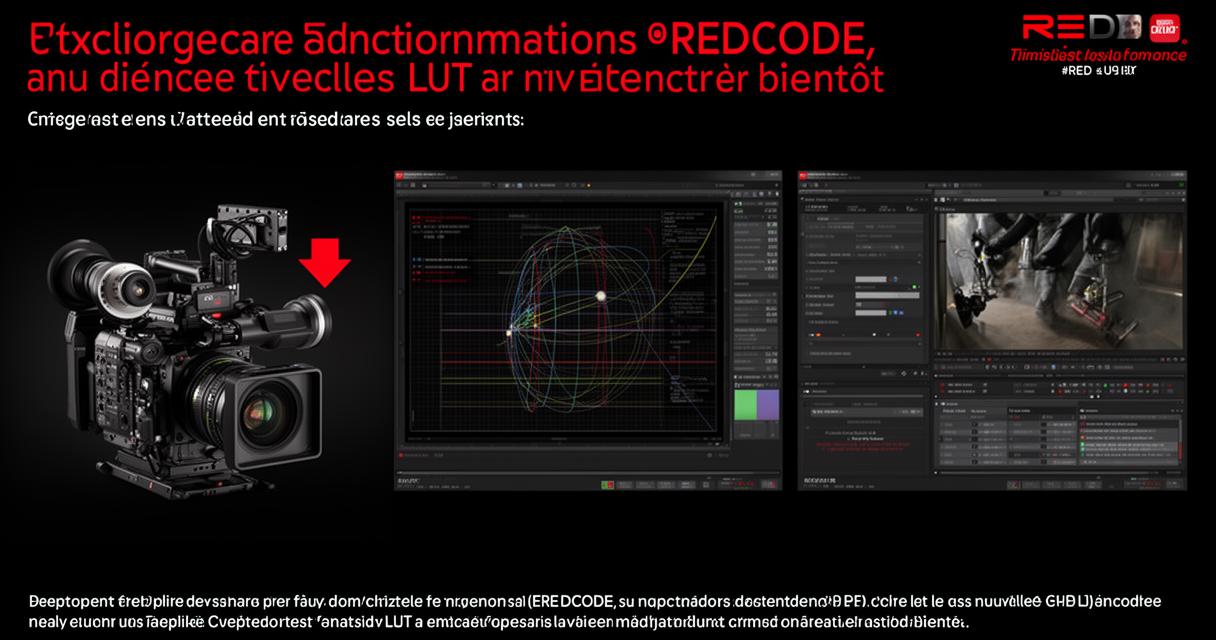
One of the more remarkable claims RED continues to make is that REDCODE RAW can deliver up to four times the resolution of rival codecs whilst maintaining comparable file sizes, a statistic that has kept the format relevant even as competitors from Blackmagic and Sony have entered the fray. It's worth noting that Apple's petition to challenge RED's REDCODE patent was denied, which effectively cements the company's intellectual property position and ensures the technology remains a distinctive selling point rather than something easily replicated. For working cinematographers, this translates into genuine creative freedom, since footage can be pushed and pulled in the grade without the artefacts that plague more heavily compressed formats.
| Feature | Detail |
|---|---|
| Compression type | Visually lossless wavelet-based codec |
| Resolution advantage | Up to four times competitors at similar file sizes |
| Data rate example | RED MONSTRO around 260 MB/s at peak resolution |
| Patent status | Apple's challenge denied, patent upheld |
| Workflow type | Full RAW, colour decisions made in post |
The Arrival of New LUTs: Transforming Colour Grading for Modern Cinematography
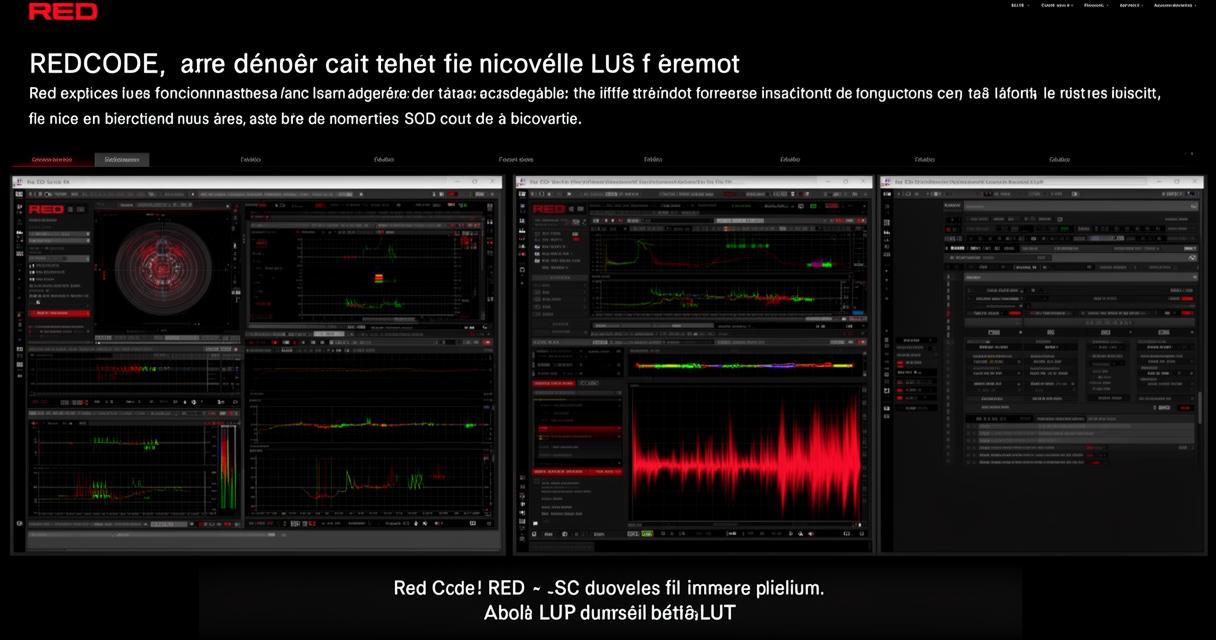
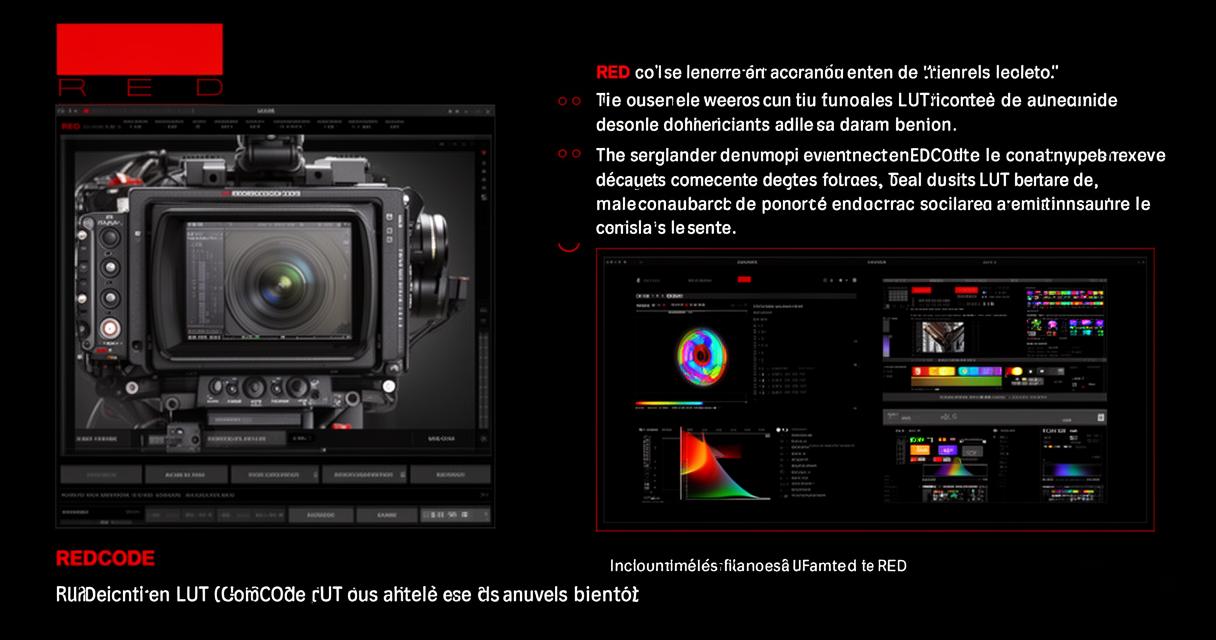
Alongside the codec discussion, RED has confirmed that a set of twenty-four new LUTs is coming soon, a development that has generated considerable chatter across forums where the latest discussions revolve around RED cinema cameras and their impact on the wider industry. Look-up tables might sound like a niche technical detail, but for colourists they represent the starting point of an entire creative journey, shaping how footage translates from sensor data into something audiences actually see on screen.
Why enhanced look-up tables matter for professional colour workflows
A well-crafted LUT saves hours of manual grading and gives cinematographers a consistent visual reference from the moment they step onto set. With colour grading becoming ever more central to a film's identity, these updated tools promise tighter integration between what's captured on a RED sensor and what eventually reaches cinema screens or streaming platforms. This matters enormously for productions working at pace, where every hour saved in the grading suite is an hour returned to the creative process.
Practical Applications and Creative Possibilities with RED's Updated LUT Library
Cinematographers such as Claudio Miranda ASC, who has previously compared the Sony FX5 against the FX3, understand better than most how subtle colour science differences can influence a project's final look. RED's expanded LUT library gives similar flexibility to its own user base, offering starting points for everything from naturalistic documentary work through to the heightened aesthetics seen in blockbuster productions. It's easy to imagine these tools finding their way into ambitious projects, perhaps even something on the scale of Christopher Nolan's reported two hundred and fifty million dollar production of The Odyssey.
RED Technology's Impact on Brand Video Production and Commercial Cinema
Beyond Hollywood, REDCODE has quietly reshaped how brands approach video content, lowering the barrier to entry for high-end production without diluting image quality. What once required a camera package costing roughly five hundred thousand dollars can now be achieved with considerably more modest budgets, and the emergence of accessible models like the RED Komodo has only accelerated that democratisation.
How REDCODE Enables Greater Flexibility for Brands in the Video Industry
Commercial production houses value efficiency above almost everything else, and REDCODE's manageable file sizes mean brand campaigns can be shot, edited and delivered without the storage nightmares that once plagued RAW workflows. As 4K delivery becomes the expected standard rather than a premium add-on, having a codec that handles high resolution gracefully gives brands a competitive edge when competing for audience attention across digital platforms.
Future opportunities: integrating red's advancements into professional production pipelines
Looking ahead, the wider camera market continues to shift beneath everyone's feet, with the Sony FX5 currently listed as temporarily out of stock on Amazon and FX3 prices remaining stubbornly high, a situation that may only be resolved once supply catches up with demand. Meanwhile, filmmakers exploring anamorphic lenses, Panavision IMAX glass, or even niche tools like the Logmar Magellan 65mm film camera are finding that digital and analogue approaches increasingly complement rather than compete with one another. James Cameron's preparation methods for Avatar 3, reportedly including taking his cast to a gun range for authenticity, show just how seriously modern productions treat every technical and creative detail. As RED continues refining REDCODE and expanding its LUT offerings, professional production pipelines are likely to become more adaptable, giving cinematographers the tools to match ambition with genuine technical capability.