For cat owners who let their feline friends roam free, few worries compare to that heart-sinking moment when a pet fails to return home. As tracking technology becomes more accessible, many people are wondering whether Apple's AirTag could be a clever, budget-friendly way to keep tabs on their wandering cat. It's a tempting idea, but before you clip one onto your cat's collar, it's worth understanding exactly how these little devices work, where they fall short, and how they compare to trackers built specifically for pets.
At a glance
- Apple's AirTags were designed to track inanimate objects using Bluetooth and the Find My network, rather than for the specific needs of monitoring living pets.
- AirTags lack real-time GPS tracking and depend entirely on the proximity of nearby Apple devices, making them unreliable for locating a cat in remote or quiet areas.
- The device can emit random beeping sounds when separated from its owner's phone, which may frighten or cause stress to a nervous cat.
- Dedicated GPS pet trackers offer superior accuracy and real-time monitoring via satellite, along with health-tracking features that AirTags cannot provide.
- While AirTags are more affordable due to their low entry price and lack of subscription fees, this cost-saving comes at the expense of consistent tracking reliability.
- If choosing to use an AirTag, it is essential to use a secure, waterproof holder attached to a breakaway collar to ensure the cat's safety and comfort.
Understanding AirTags and Their Suitability for Feline Tracking
What are airtags and how do they function?
The AirTag was designed by Apple primarily to help people find misplaced belongings such as keys, wallets, or luggage, not to monitor a living creature. It works by communicating via Bluetooth, sending out a signal that can be picked up by nearby Apple devices. This means an AirTag actually works with both Apple and non-Apple devices to some degree, but its effectiveness depends heavily on other people's phones being close enough to detect it. Once a signal is picked up, the location gets relayed anonymously through Apple's Find My network, giving you an approximate idea of where the tag, and hopefully your cat, might be.
This system makes AirTags lightweight, genuinely affordable, and blessed with a long battery life compared to many alternatives. There's no subscription fee involved, which is a major draw for pet owners keen to avoid ongoing costs. However, since it wasn't built with animals in mind, its quirks become obvious quite quickly once you try using it for something as unpredictable as tracking a cat.
Key Limitations of AirTags for Cat Location Monitoring
One of the biggest issues is that an AirTag can become ineffective while your cat is moving, since it often needs the animal to pause for a moment before an accurate location can be registered. Cats, of course, rarely sit still on cue. There's also the matter of limited range outside of Bluetooth, meaning if no one else's device happens to be nearby, the tag essentially goes silent until someone with a compatible phone wanders close enough.
Another quirk worth mentioning is that AirTags beep randomly when separated from an iPhone for a period, which could genuinely startle a nervous cat and potentially make the situation worse rather than better. In one real-world case, an owner found that after two months of use, the AirTag pinged off a neighbour's device, which confirmed the cat had escaped but didn't actually help pinpoint where it had gone. It offered peace of mind in one sense, but little practical help in an emergency.
Comparing airtags to dedicated pet gps tracking solutions
The Advantages of Purpose-Built GPS Collars for Cats
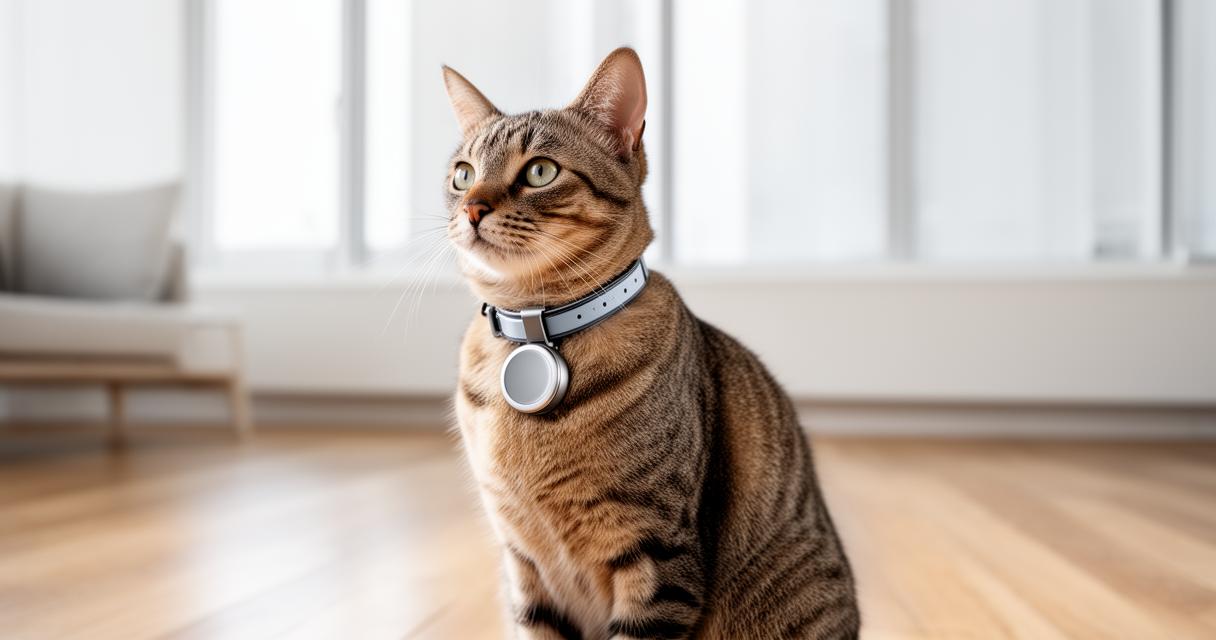
Unlike Bluetooth-based options, proper GPS cat trackers show your pet's location via satellites, meaning they work anywhere there is mobile reception rather than relying on a stranger's phone happening to be nearby. This gives owners reliable, real-time information regardless of how far their cat has roamed. Brands such as Tractive have built entire product lines around this concept, offering GPS collars with features specifically designed for monitoring animals, including movement alerts and activity tracking that can hint at a pet's overall wellbeing.
This is an area where AirTags simply cannot compete, since monitoring a pet's health is crucial for many owners, and a general-purpose item tracker was never designed to collect that kind of data. A dedicated GPS collar can offer insights into sleeping patterns, activity levels, and general behaviour changes that might indicate a health issue long before it becomes serious.
Cost analysis: airtags versus subscription-based pet trackers
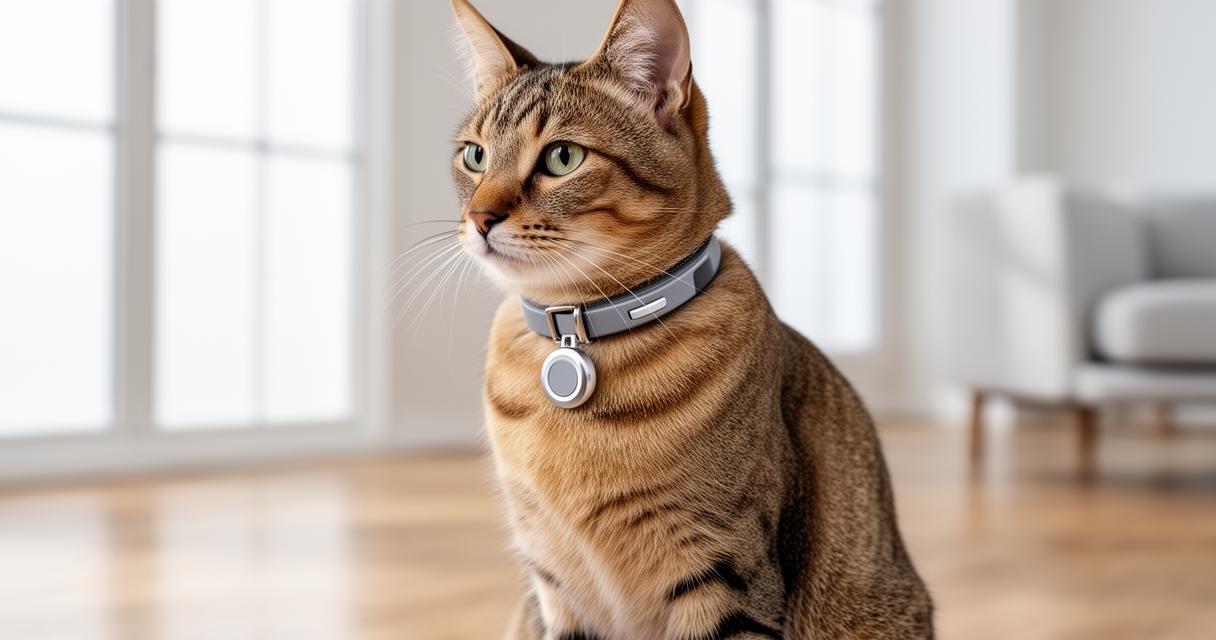
Price is often the deciding factor for many households, and it's easy to see why. GPS trackers tend to start from around one hundred dollars and usually come with ongoing subscription fees, plus the inconvenience of frequent recharging. AirTags, by contrast, are inexpensive upfront and require no subscription at all, making them appealing to anyone wary of recurring costs.
That said, cheaper doesn't always mean better when safety is on the line. Bluetooth trackers like Tile and the AirTag rely entirely on smartphone proximity for pet location, which introduces a level of uncertainty that satellite-based systems simply don't have. If your cat tends to roam into quiet areas with little foot traffic, a GPS tracker for outdoor cats may prove far more dependable, even with the added expense.
Step-by-Step Guide to Attaching an AirTag to Your Cat's Collar
Choosing the Right AirTag Holder for Your Cat's Collar
If you've decided an AirTag is still worth trying, perhaps as a secondary measure alongside other precautions, the first step is finding a proper holder. These small silicone or plastic cases attach securely to a collar and are designed to keep the tag firmly in place without adding excessive bulk. Look for a holder that's lightweight, waterproof, and has a secure clip or loop, since cats are notorious for wriggling out of anything that feels remotely uncomfortable.
It's worth checking that the holder doesn't obstruct the tag's speaker, as this is what allows it to emit sound when needed. Some cheaper holders can muffle this feature, reducing your chances of locating your cat by sound if it happens to be hiding nearby.
Proper Installation and Safety Considerations for Your Feline
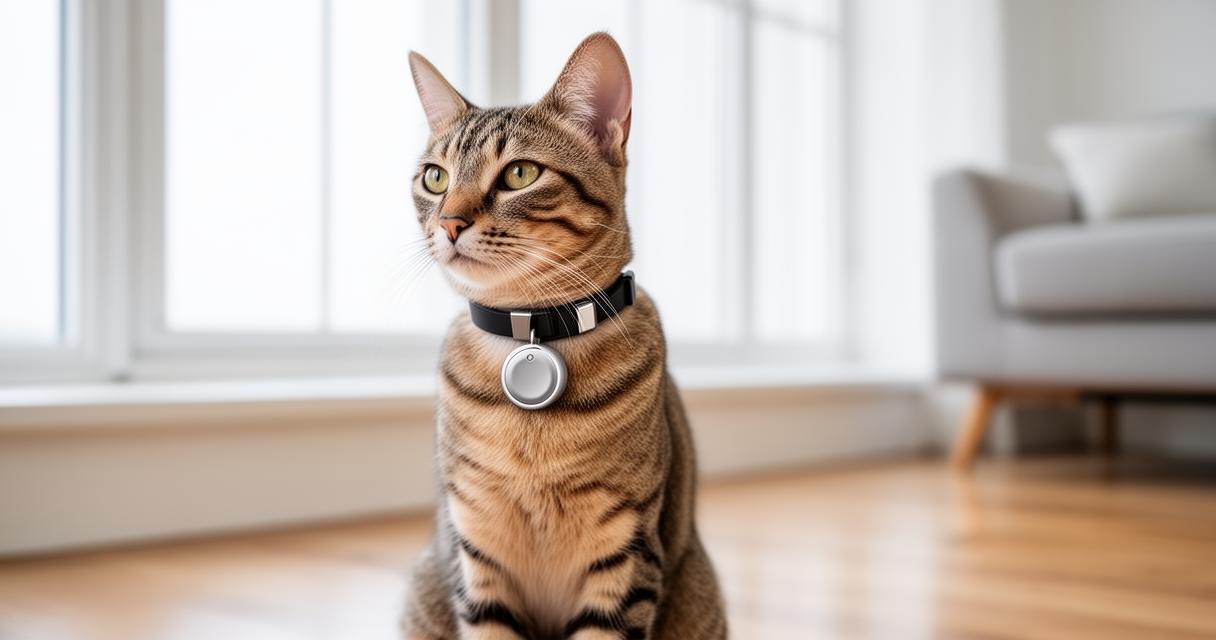
Once you have a suitable holder, slot the AirTag in securely and attach it to a breakaway collar, ideally one designed to release under pressure so your cat cannot become trapped or injured if the collar catches on something outdoors. Make sure the fit is snug but comfortable, allowing your cat to move, eat, and groom without irritation.
It's sensible to monitor your cat closely for the first few days after introducing the device, checking for any signs of discomfort or unusual behaviour caused by the added weight or the occasional random beeping. If you're still uncertain, speaking with a vet clinic such as Walkerville Vet, located at 142 North East Road, Walkerville and reachable on (08) 8344 2000, can be a good idea, particularly since they offer broader services including microchipping, which remains one of the most reliable backup methods for reuniting lost pets with their owners regardless of which tracking gadget you choose.